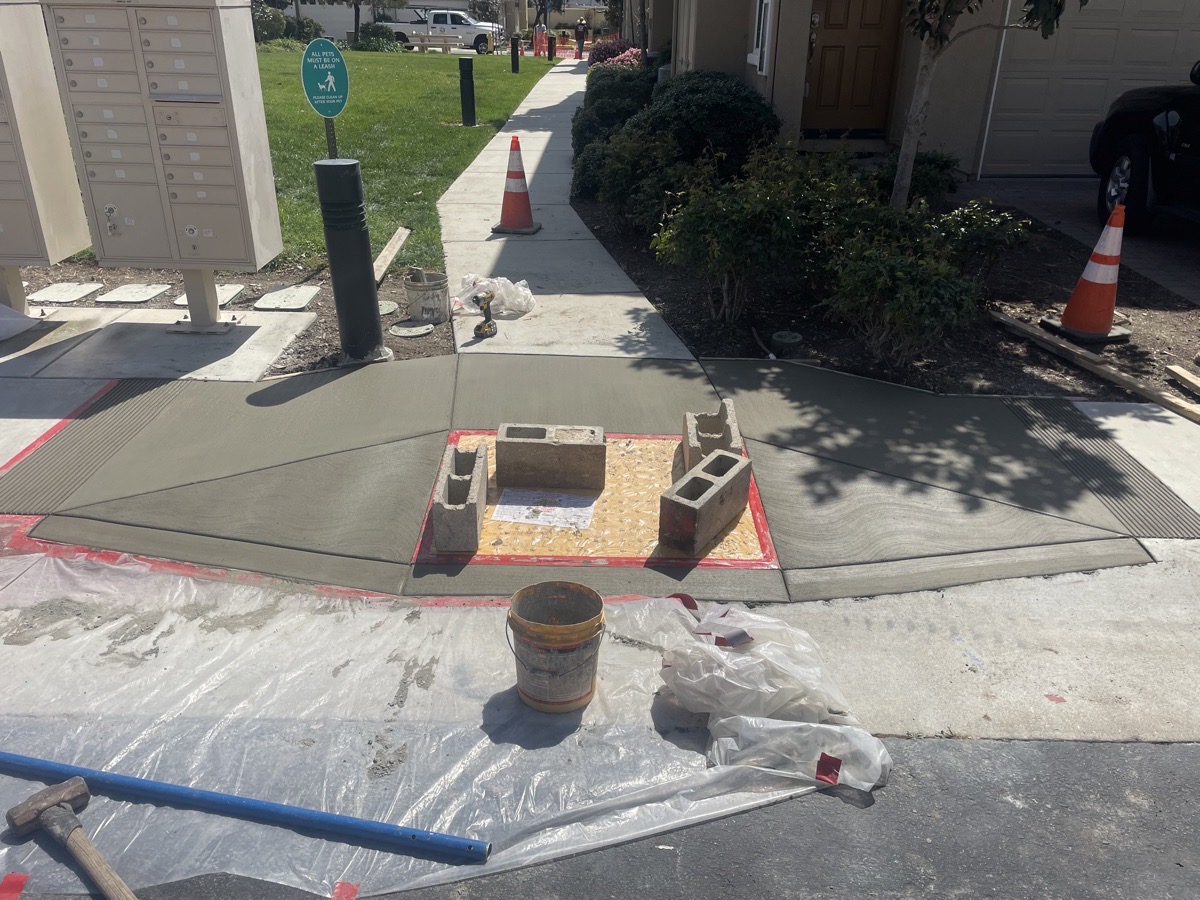
The affected concrete may be only one landing or panel, but its location can interrupt every arrival. Start with people and timing, then fit the work zone around them.
List the routes that matter
Walk the property from street or parking area to each entrance. Record residents, scheduled deliveries, service providers, carts, pets and gates that use the affected path. Identify an alternate route only after checking that it is practical for the people expected to use it. A locked side gate or a step-filled detour is not a usable plan merely because it exists on a map.
Turn access into a daily sequence
The proposal should state where the crew enters, where debris travels, where materials are staged and which opening remains available. Add the hours when noise, removal, placement and cleanup may affect occupants. Name who receives field updates and who can approve a changed route. For a shared entrance, establish how the area is secured after the crew leaves and how an urgent access conflict is reported.
Separate temporary access from finished access
A temporary route may serve during demolition but may not be appropriate while fresh concrete is protected. Ask what changes between removal, base work, placement, finishing and curing. If boards, ramps, fencing or signs are proposed, the written scope should describe their intended use and limits. When an occupant has a mobility or emergency-access need, flag it before approval so the property team can review the actual route rather than relying on a general access statement.
Approve the plan before mobilization
Give occupants one clear notice that shows affected dates, the usable entrance, delivery instructions and a contact. Confirm keys, gate codes or escort needs privately. The approval should also identify weather or concealed-condition decisions that could extend the restriction. This avoids having the crew discover on arrival that the planned haul route crosses a protected room, blocks the only gate or conflicts with a scheduled move.
Use a simple access test
Before approving the plan, walk the proposed alternate route at the time it is likely to be used. Open the gates, pass the narrow points and check where a delivery or resident would pause. Record any step, slope, lock, low branch, stored item or lighting concern for the project team to review. Then write one clear sentence for each phase: which entrance is open, how users reach it and who changes the notice. This is more useful than a generic statement that access will be maintained because it can be checked against actual site conditions.
Occupied access plan
- Route
- ________________
- User
- ________________
- Affected phase
- ________________
- Alternate
- ________________
- Notice
- ________________
- Owner
- ________________
Before approval
- Entrances and gates
- People and deliveries
- Crew and debris route
- Daily secure condition
- Notice contact
- Alternate-route limits
Common question
Does a small section need an access plan?+
Yes when that section controls an entrance, gate, delivery route or shared path.
Related AWC context
Common Questions Property Managers Ask a General Contractors
Occupied-property communication and updates; confirm current proposal terms.